
Buyer's guide · Gold
Why Choose Gold
The short answer
People choose gold because it is a physical store of value that you own outright, recognised and traded around the world. In the UK, investment gold is exempt from VAT, and gold Britannias and Sovereigns minted from 1837 onwards are also exempt from Capital Gains Tax for individuals. Its price can fall as well as rise.
Key facts
- VAT on investment gold
- Exempt (HMRC Notice 701/21)
- CGT on Britannias and Sovereigns
- Exempt as sterling currency
- 1 troy ounce
- 31.1035 g
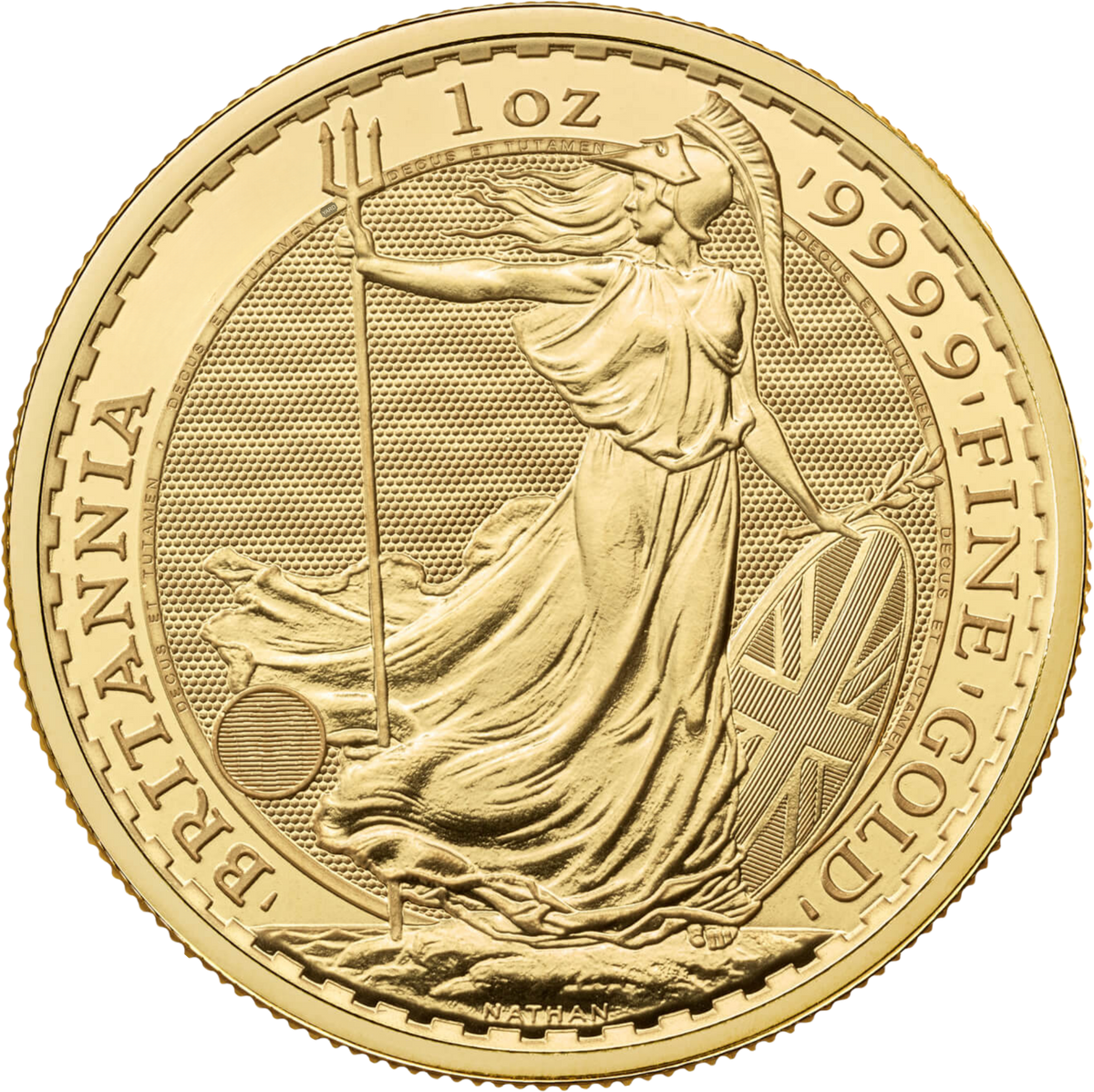
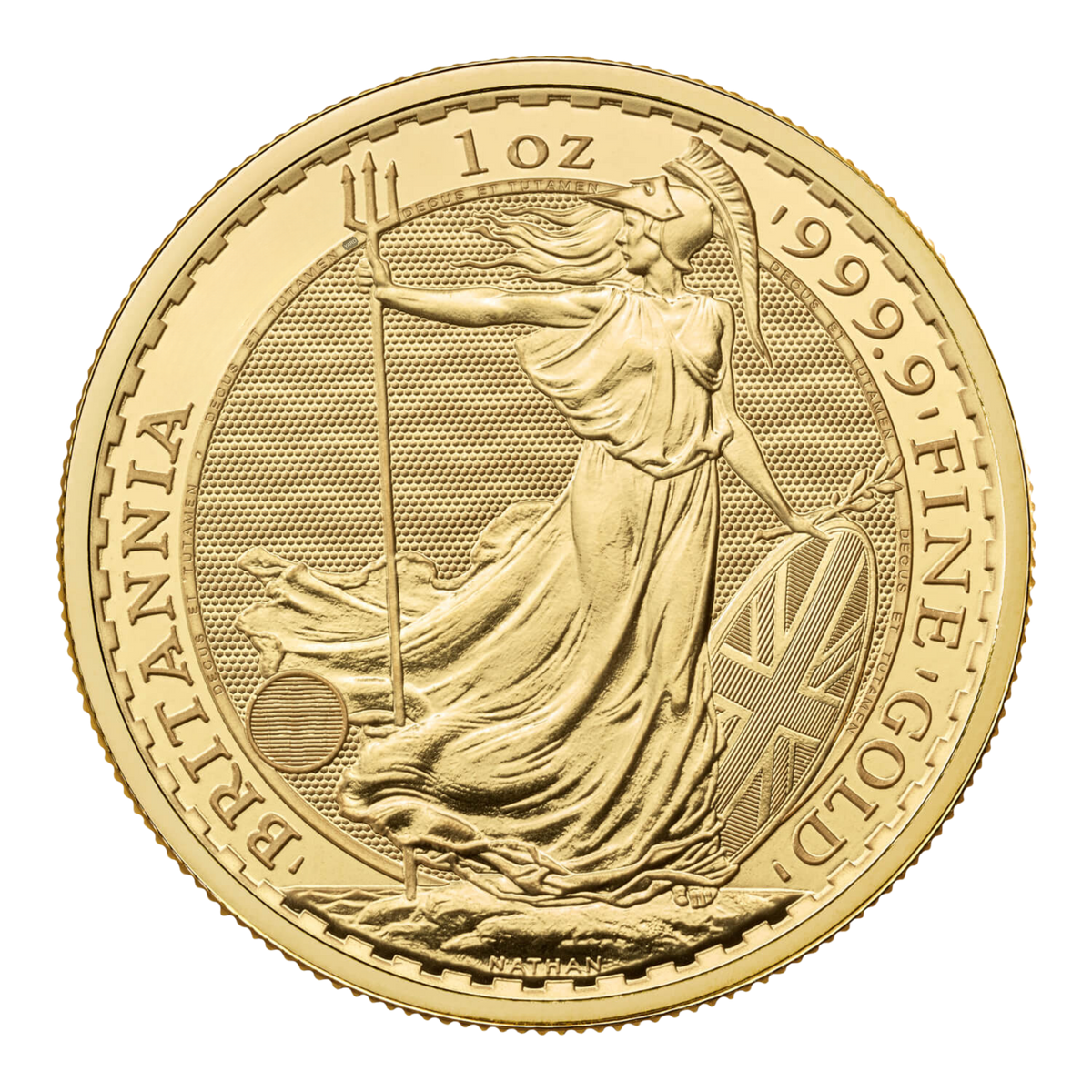
- 1 oz Gold Britannia
- 999.9 fine · 32.69 mm · £100
- Sovereign
- 22 carat · 7.988 g · 22.05 mm
- 1 Goldback
- 1/1000 troy oz of 24-carat gold
Why do people buy gold?
People buy gold to own a widely recognised store of value outright, to hold something outside cash and shares, and to mark life’s milestones with a piece that lasts.
Physical gold is held directly: a coin or bar in your hand, or metal stored in your name, does not rely on a bank or fund manager to exist. Gold is priced every day on world markets, so a well-known coin or bar can be valued and sold wherever bullion is traded.
Gold also makes a meaningful gift: a first coin for a new arrival, a Goldback for a birthday or a small bar for an anniversary. Whatever the reason, the price of gold can fall as well as rise, and you may get back less than you paid.
For the wider picture, read Gold investment in the UK and Physical gold vs ETFs.
What forms of gold can I buy?
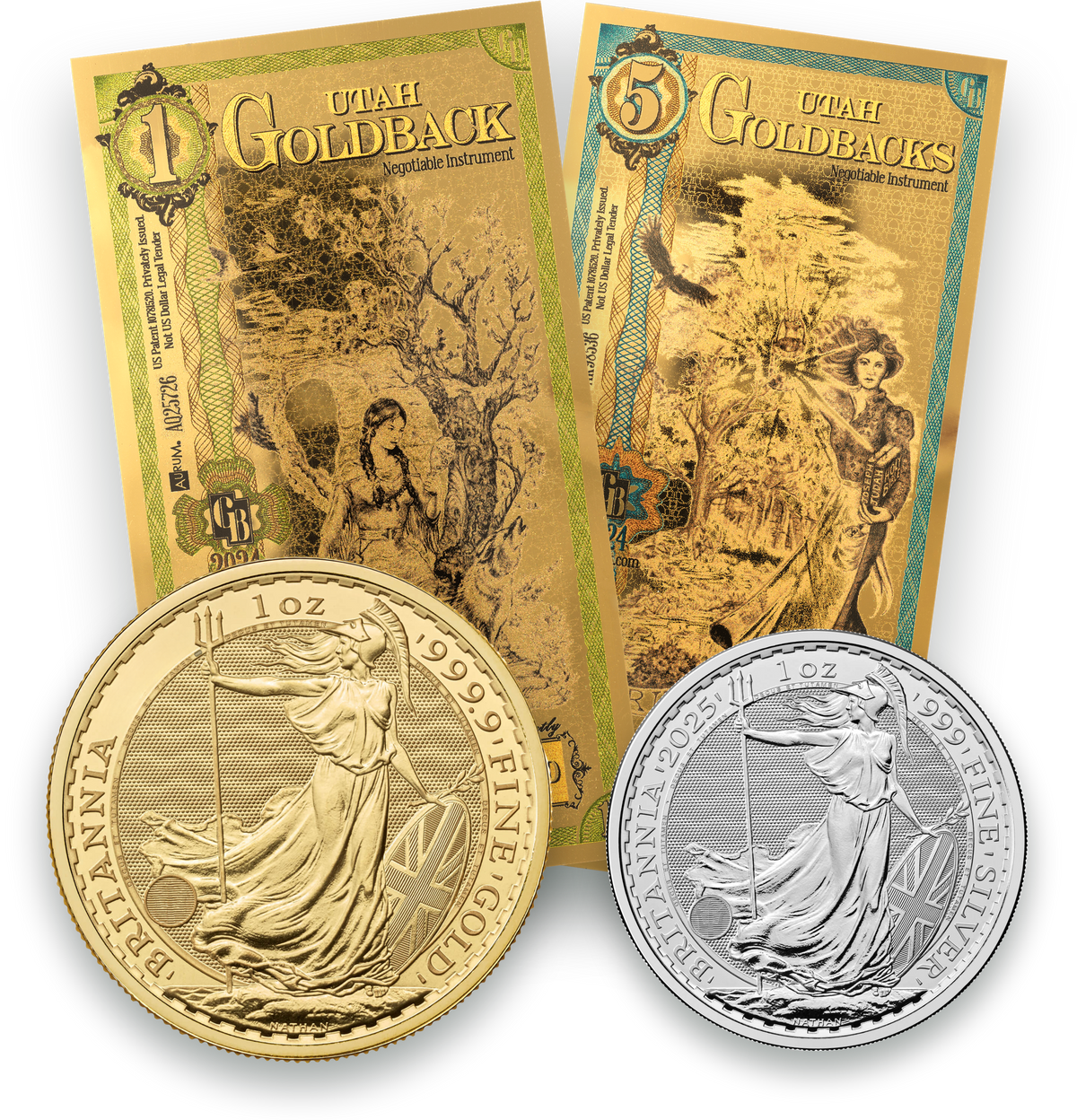
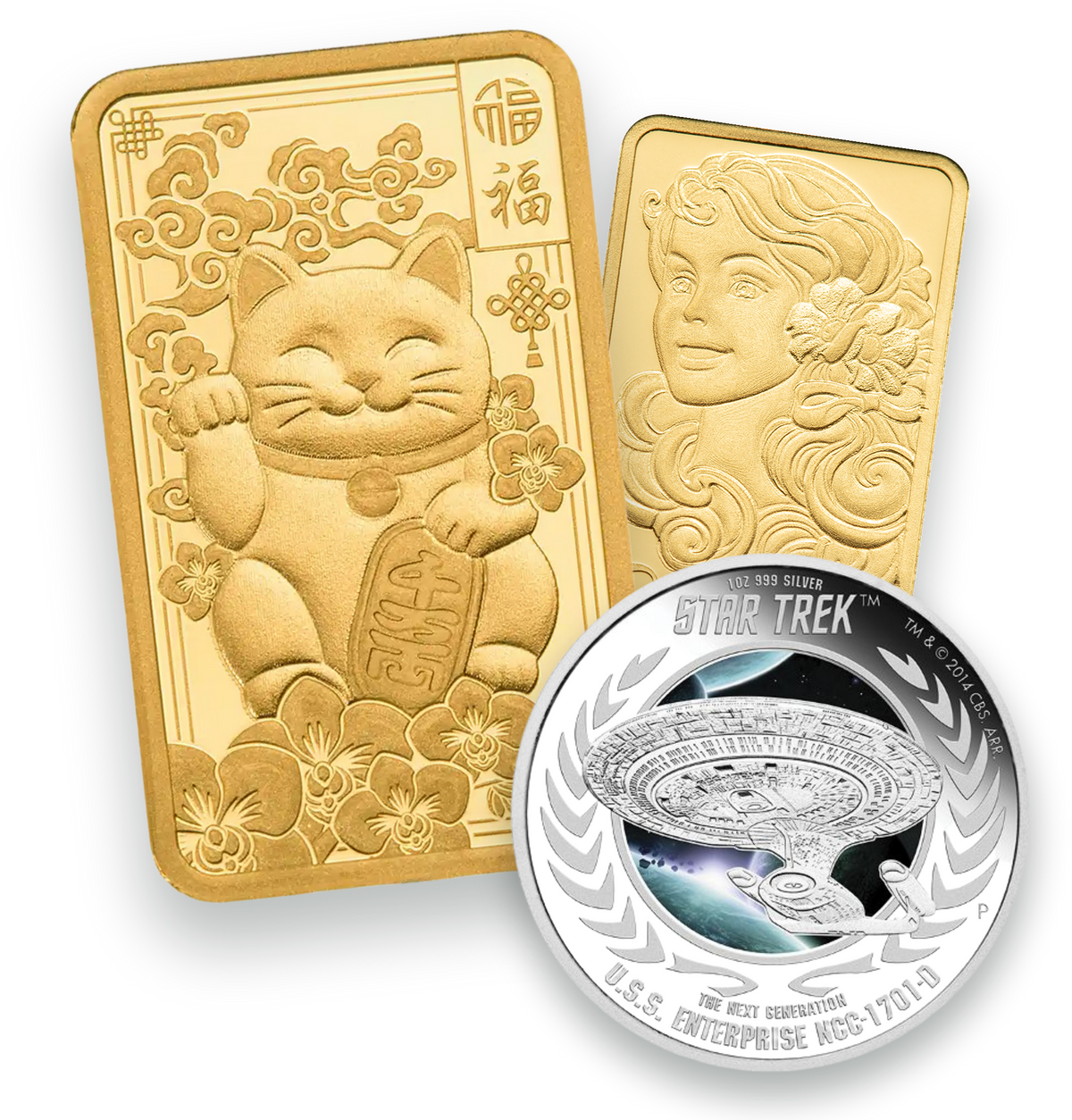
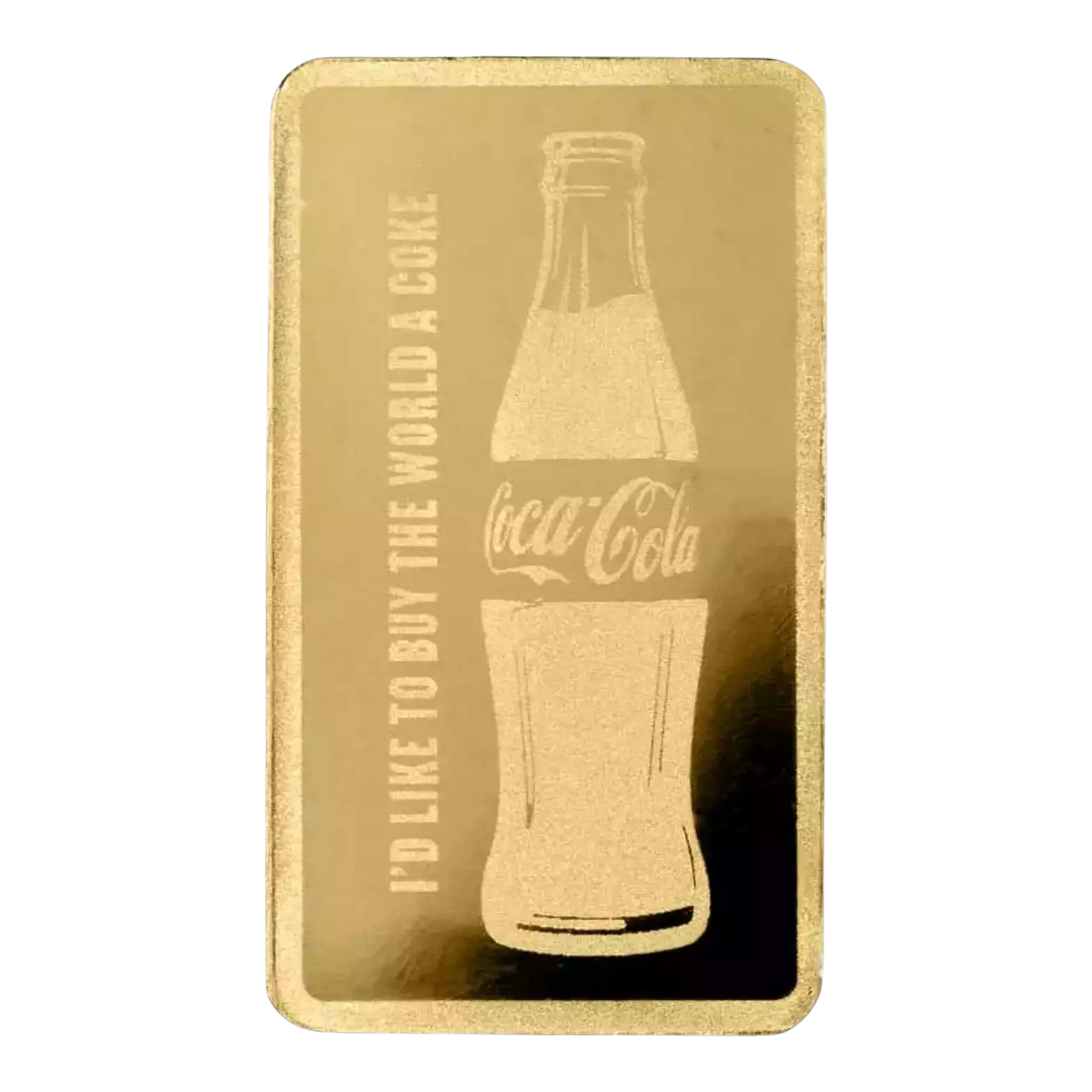
You can buy gold as coins, bars or gold notes such as Goldbacks. Coins are the easiest to recognise and resell, bars usually carry a lower premium as they get larger, and Goldbacks let you own very small amounts of 24-carat gold.
The right form depends on what matters to you: tax treatment, cost per gram, resale or the pleasure of the design. The table compares them at a glance.
| Coins | Bars | Goldbacks | |
|---|---|---|---|
| Typical purity | 999.9 (Britannia); 22 carat (Sovereign) | Usually 999.9 for minted bars | 24-carat gold in polymer |
| Sizes in our range | From 0.5 g to 1 oz | From ½ g upwards | From ½ Goldback |
| UK VAT | Exempt if HMRC’s investment-gold tests are met | Exempt at 995 fineness or above | Non-investment: VAT where applicable |
| UK CGT | Britannias and post-1837 Sovereigns exempt | Gains can be chargeable | Not sterling currency |
| Best for | Tax efficiency and easy resale | Lower premium at larger weights | Small amounts, gifts, collecting |
Shop gold coins, gold bars or Goldbacks.
Gold coins or gold bars: which is better?
For most UK individuals, legal-tender gold coins such as the Britannia are the more tax-efficient choice, because they are free of VAT and exempt from Capital Gains Tax. Bars are also VAT-free, but a gain on a bar can be subject to Capital Gains Tax.
Bars tend to cost less over the gold price per gram as they get larger, and small minted bars from refiners such as PAMP Suisse are often supplied sealed in an assay card stating their weight and fineness. Coins carry a little more premium, but familiar designs like the Britannia are recognised by UK dealers, which makes them straightforward to sell.
Collectable and proof coins are different again: you pay for design, mintage and condition as well as metal, so their value does not simply follow the gold price.
What are Goldbacks, and are they real gold?
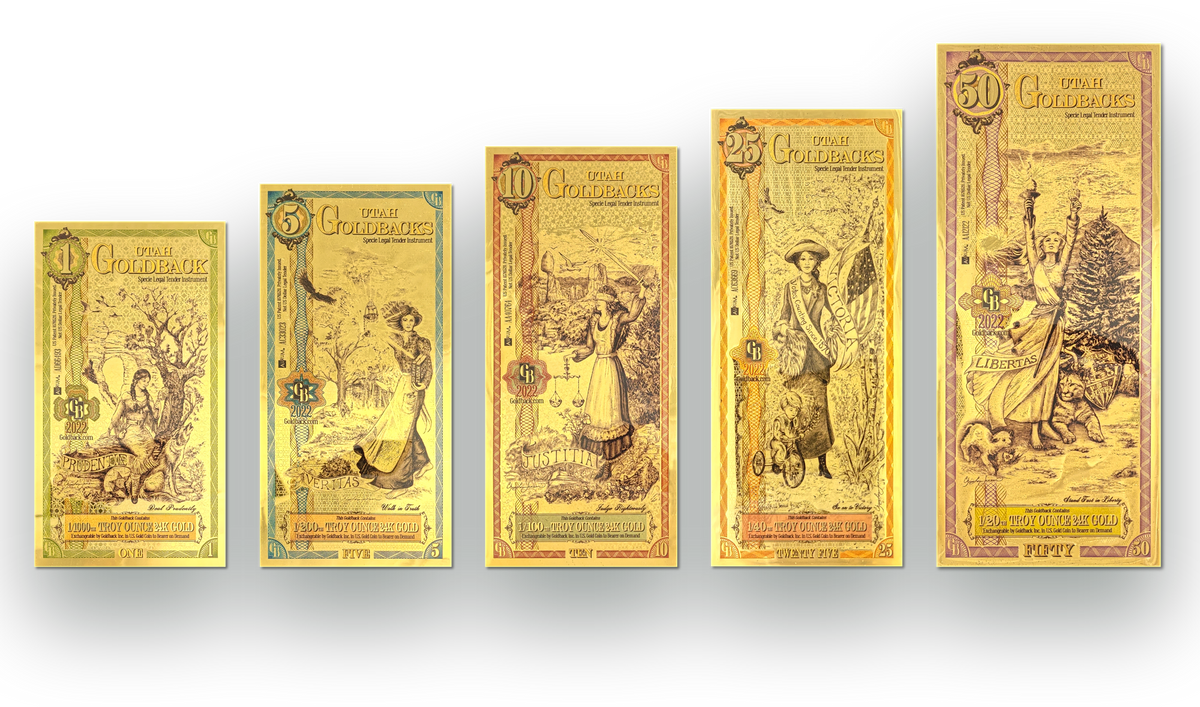
Yes, Goldbacks contain real gold. Each note is made with 24-carat gold layered between durable polymer film, and a 1 Goldback holds one thousandth of a troy ounce. They are a voluntary local currency from US state series and are not legal tender in the UK.
Every series carries detailed artwork, and denominations run from ½ to 50 Goldbacks. That craftsmanship makes Goldbacks the highest-premium way to buy gold by weight that we sell, so they suit collectors and gift buyers rather than anyone looking for the lowest cost per gram.
Browse Goldbacks and other gold notes.
How is gold purity expressed?
Gold purity is expressed as fineness in parts per thousand, so 999.9 means 99.99% pure gold. Carats are the older scale, out of 24: the Sovereign is 22 carat, which The Royal Mint states as 0.9167 fine.
UK hallmarking recognises six gold standards: 999, 990, 916, 750, 585 and 375, the legal minimum. Coins and bullion are exempt from hallmarking, so investment coins and bars are identified by the fineness and weight their mint or refiner strikes on them. Our Dealers Notice explains UK hallmarks.
| Fineness | Purity | Where you will see it |
|---|---|---|
| 999.9 | 99.99% | 1 oz Gold Britannia; many minted bars |
| 995 | 99.5% | Minimum for VAT-free bars and LBMA Good Delivery bars |
| 916.7 | 91.67% (22 carat) | The Sovereign |
| 900 | 90% | Minimum for VAT-free investment coins |
| 375 | 37.5% | Lowest UK hallmark standard for gold |
Is gold VAT-free in the UK?
Yes, investment gold is exempt from VAT in the UK. That covers bars and wafers of at least 995 fineness in a weight accepted by the bullion markets, and coins minted after 1800, at least 900 fine, that are or were legal tender in their country of origin and normally sell for no more than 180% of their gold value.
Gold items that do not meet these tests, such as Goldbacks, are not investment gold. At The Yard Mint, investment gold that meets HMRC’s criteria is priced VAT-exempt, and the VAT treatment is shown on each product page.
The rules are set out in HMRC’s VAT Notice 701/21.
Do I pay Capital Gains Tax on gold?
Not on gold Britannias or Sovereigns minted from 1837 onwards: HMRC treats them as sterling currency, which is exempt from Capital Gains Tax. Gains on gold bars and on foreign coins, such as Krugerrands, can be taxable if your total gains exceed your annual tax-free allowance.
GOV.UK gives the tax-free allowance for individuals as £3,000 at the time of review. Keeping a record of what you paid and received helps if you ever need to report a gain. Tax depends on your circumstances, and The Yard Mint does not provide tax advice, so speak to a qualified adviser.
See HMRC Capital Gains Manual CG78305 and GOV.UK Capital Gains Tax allowances.
How should I store gold?
Store gold either at home, in a secure safe with suitable insurance and the protective capsules or sleeves it came in, or with a professional vault. Home storage keeps your gold to hand; vaulting keeps it away from your address.
With Yard Mint vaulting, you retain ownership of the metals and Goldbacks held in your account and can view them online. ⅒ oz Gold Britannias are stored in the UK and Goldbacks with our customer storage in the USA. Monthly storage is currently free; depositing items bought from The Yard Mint is free, eligible items bought elsewhere carry a 10% deposit fee, and withdrawals have separate fees. Assets in our vault are insured against loss, theft and fraud, and annual vault audits are carried out.
See Terms, rates & fees and our guide to gold storage at home vs vaulting.
How do I sell gold back?
To sell gold, request a quote, send your items once you accept it, and receive payment after they are verified. The Yard Mint buys gold bars, coins and Goldbacks this way, paying directly to your bank account; we don’t currently buy jewellery or scrap.
Our Sell Gold or Silver page shows indicative buying rates per gram and per troy ounce; your final quote depends on your items and verification. Vaulted holdings can be sold back to us from your vault. Recognised coins and bars from established mints are usually the simplest to sell.
For spreads and timing, read How to sell gold and silver in the UK.
Gold through the ages
Gold is a great gift or investment
Throughout history, precious metals like gold and silver have symbolised wealth and status worldwide. The Incas saw gold as the Sun's sweat and silver as the Moon's tears. These luxurious metals have captivating stories leading to modern times.
Currencies come and go. Gold stays gold: it does not tarnish, and an ounce struck today will still be an ounce in a hundred years. Explore gold coins, bars and Goldbacks from established makers, priced from the live gold price, or read our gold and silver guide before you choose.
Frequently asked questions
Is gold a good investment?
It depends on your goals and circumstances, and The Yard Mint does not provide investment or tax advice. The value of precious metals can fall as well as rise, and you may get back less than you paid. A qualified financial adviser can help you decide whether gold suits you.
What is the most tax-efficient gold to buy in the UK?
For UK individuals, gold Britannias and Sovereigns minted from 1837 onwards are generally the most tax-efficient: as investment gold they are exempt from VAT, and as sterling currency they are exempt from Capital Gains Tax.
How many grams are in a troy ounce of gold?
One troy ounce is 31.1035 grams. Precious metals are weighed in troy ounces, which are heavier than the everyday ounce.
What are the specifications of a 1 oz Gold Britannia?
The Royal Mint’s 1 oz Gold Britannia is struck in 999.9 fine gold, weighs 31.21 g, measures 32.69 mm across and has a face value of £100.
Are Goldbacks legal tender in the UK?
No. Goldbacks are not UK legal tender; they may be voluntarily exchanged where both parties agree to accept them. Each note contains a stated quantity of 24-carat gold.
Can I store gold with The Yard Mint?
Yes. Our vaulted range includes ⅒ oz Gold Britannias stored in the UK and Goldbacks stored with our customer storage in the USA. You retain ownership, monthly storage is currently free, and transaction and withdrawal fees apply.
Does The Yard Mint buy gold jewellery?
Not at present. We buy gold and silver bars and coins, plus Goldbacks, but we don’t currently buy jewellery or scrap.
Shop gold
Find your gold


Prefer us to look after it? Explore vaulting. Ready to sell? Request a quote. Weighing up silver? Why choose silver.